From the
brief to the
wall

First contact

Stage 01

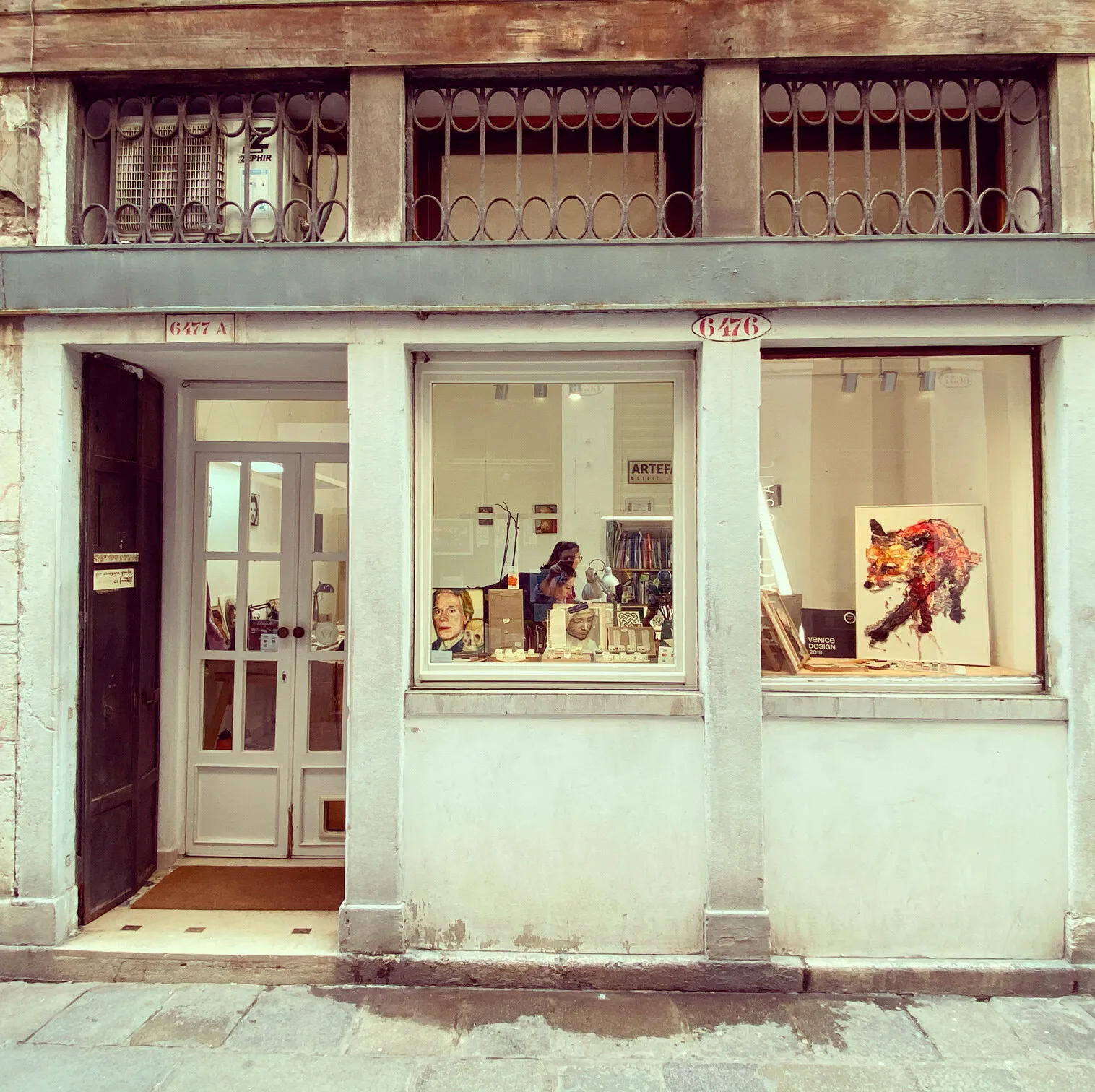
Every commission begins with a conversation. We need to understand the place where the work will live, its light, its scale, and the intention that led you to consider a mosaic. A photograph of the wall, the floor or the niche is enough to start. The exchange that follows shapes the first decisions: technique, format, palette, and the rhythm of the work to come.

Front of the Bottega Musiva mosaic workshop, Castello 6477/A, Venice

Site visit and concept

Stage 02

When the project warrants it, one of us travels to the site. A mosaic does not exist outside its place. We measure, we observe how the light falls at different hours, we read the architecture around it. From this visit we frame the commission: scale, format, dialogue with the existing space, and the constraints we will need to respect during installation.

Reading the architecture on site before a custom mosaic commission

From the
brief to the
wall

Bozzetto

Stage 03

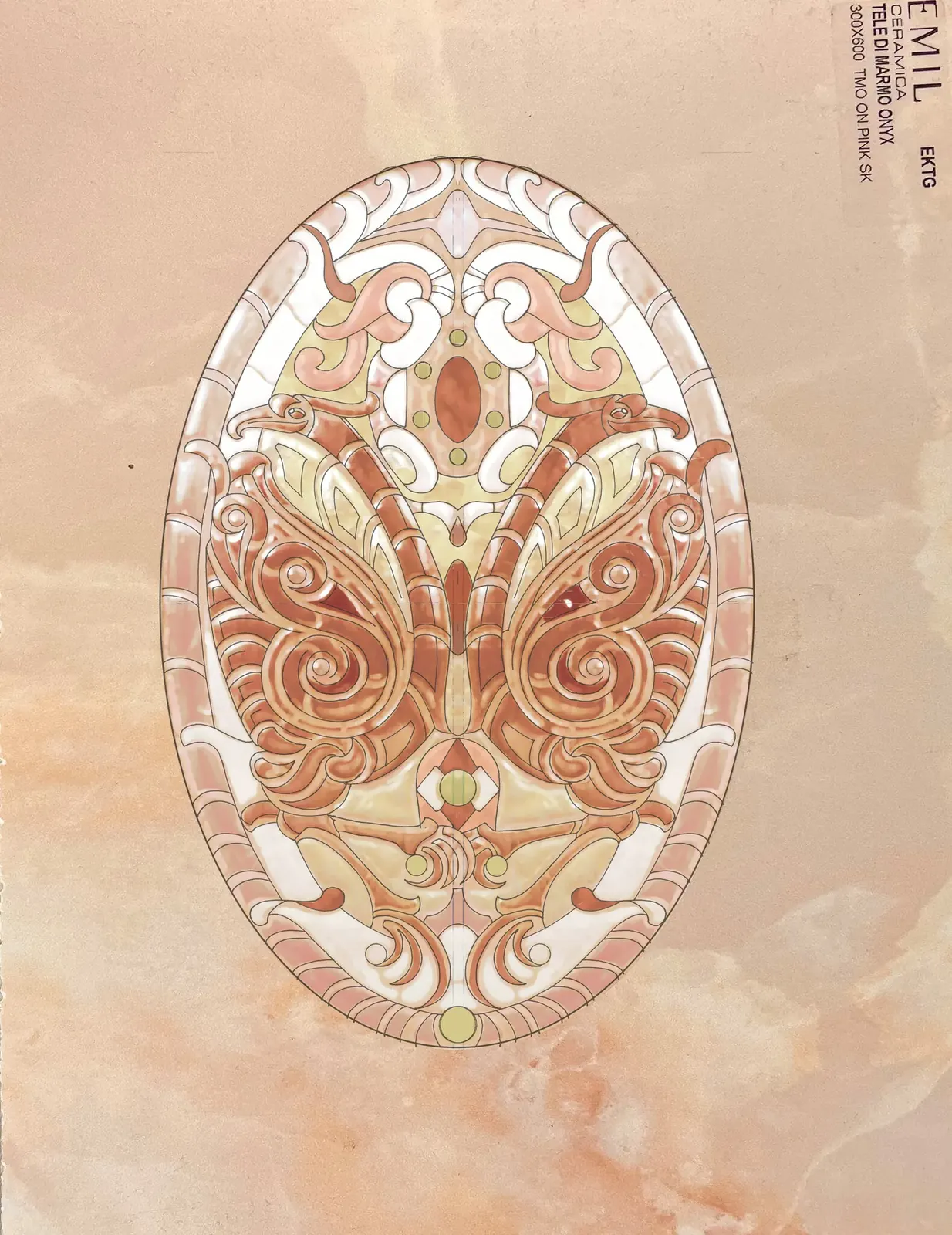
The bozzetto is the coloured sketch at scale. It fixes the palette, the rhythm of the tesserae, and the direction of every line. At Spilimbergo we are taught that nothing is left to chance once production starts; everything is decided here, in advance, on paper. We share the bozzetto with you, refine it if needed, and only when you have validated it do we move to material selection.

Coloured sketch at scale for a mosaic, with the marble and onyx references noted in the margin

Sourcing

Stage 04

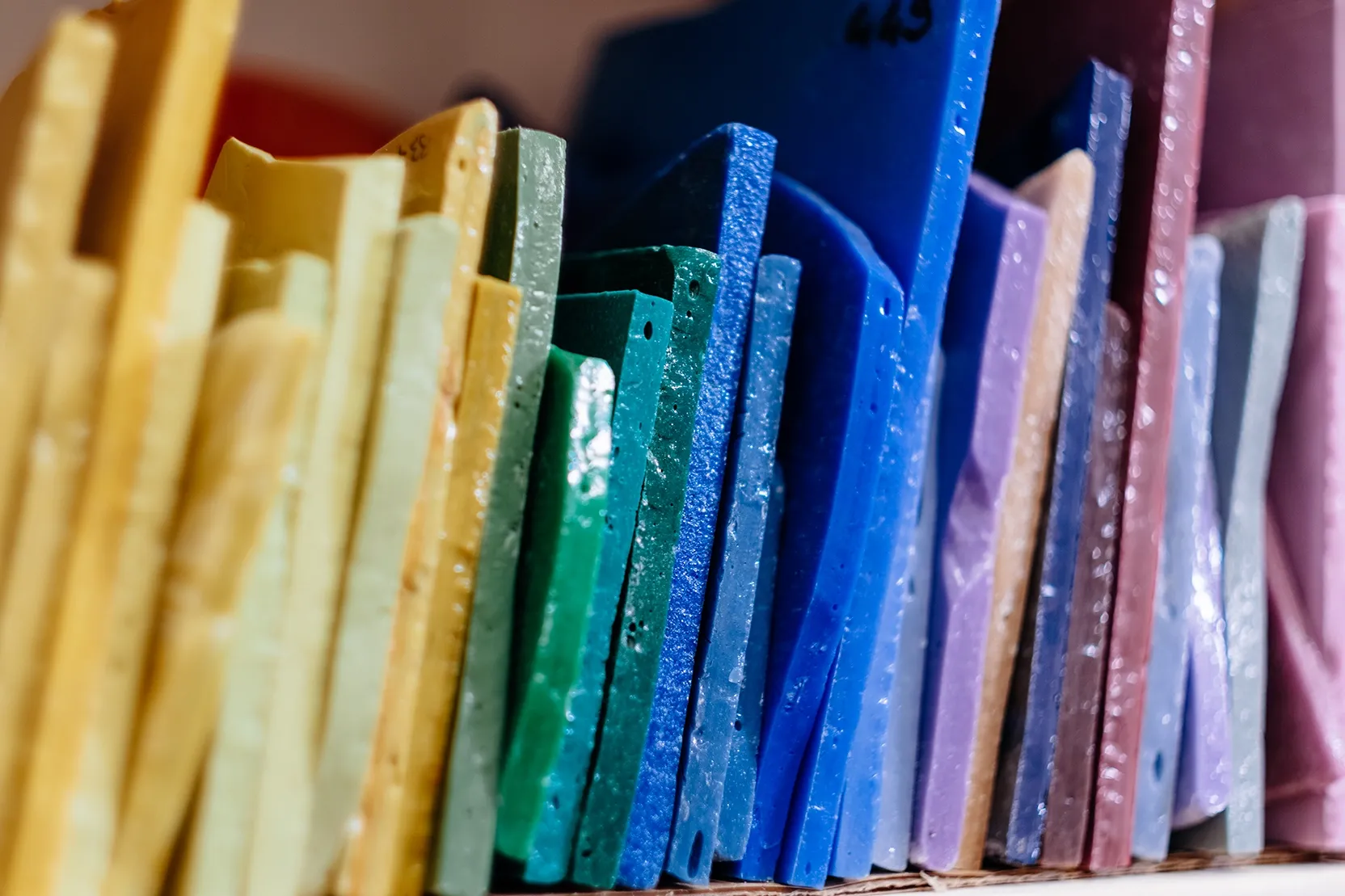
Marble and smalti are chosen in person. Romuald travels to the suppliers with the bozzetto in hand and selects each batch by matching it to the colours of the sketch. There is no catalogue ordering at this stage. The texture of a stone, the depth of a coloured glass, the warmth of a gold leaf cannot be decided from a screen. The selection becomes the palette of the work.

Venetian smalti selected by colour for a custom mosaic

From the
brief to the
wall

Production

Stage 05

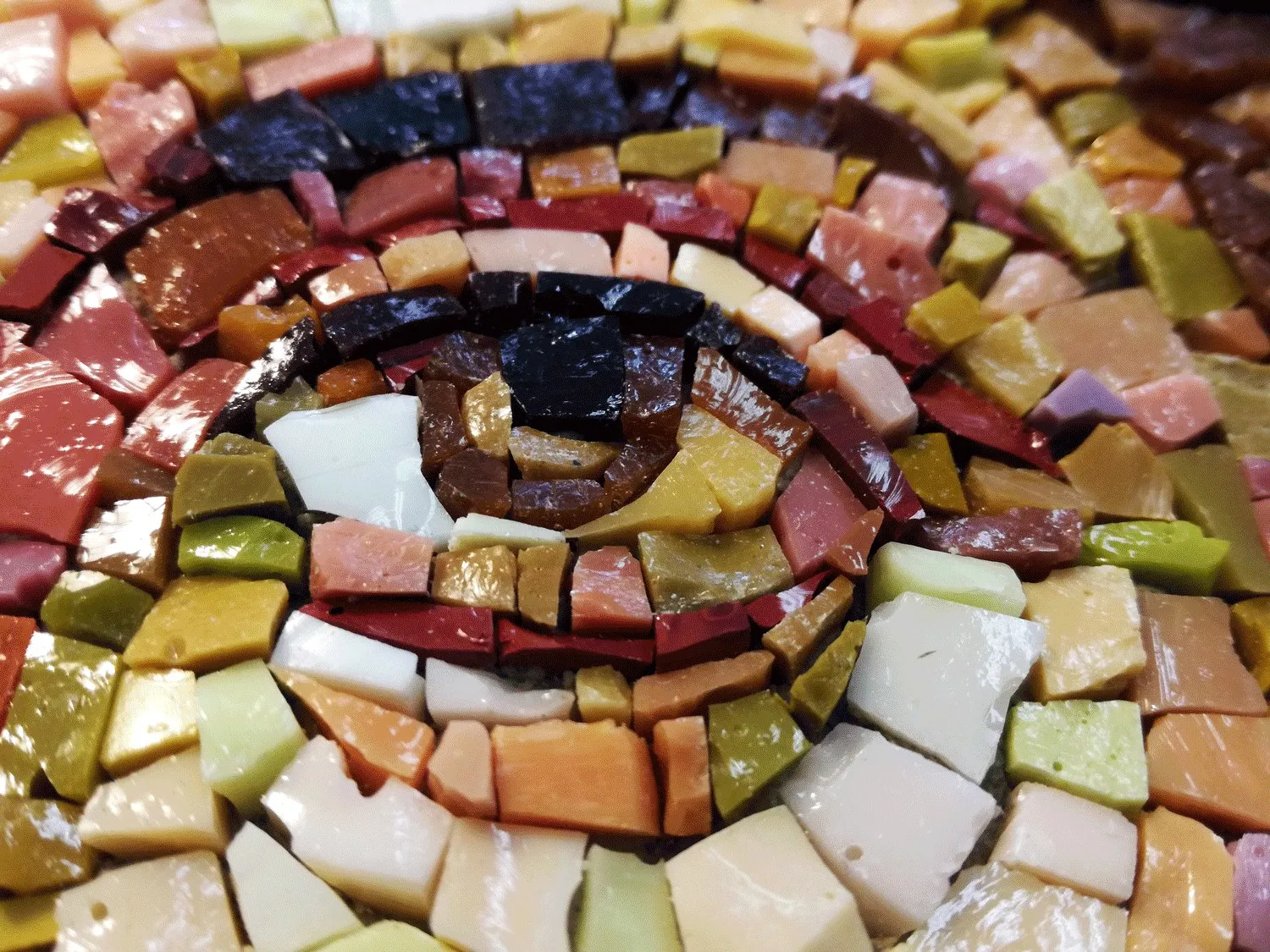
The work is built by hand at our studio in Castello 6477/A, Venice. Each tessera is cut from a slab or a rod of glass with the martellina and the hardie, the two tools of the Spilimbergo tradition. The technique is defined with you in advance, in line with the brief and the style. Depending on the project, the mosaic is built directly on its support or in modules ready to be transported.

Eye cut in smalti with hammer and hardie, detail of a mosaic portrait

Installation

Stage 06

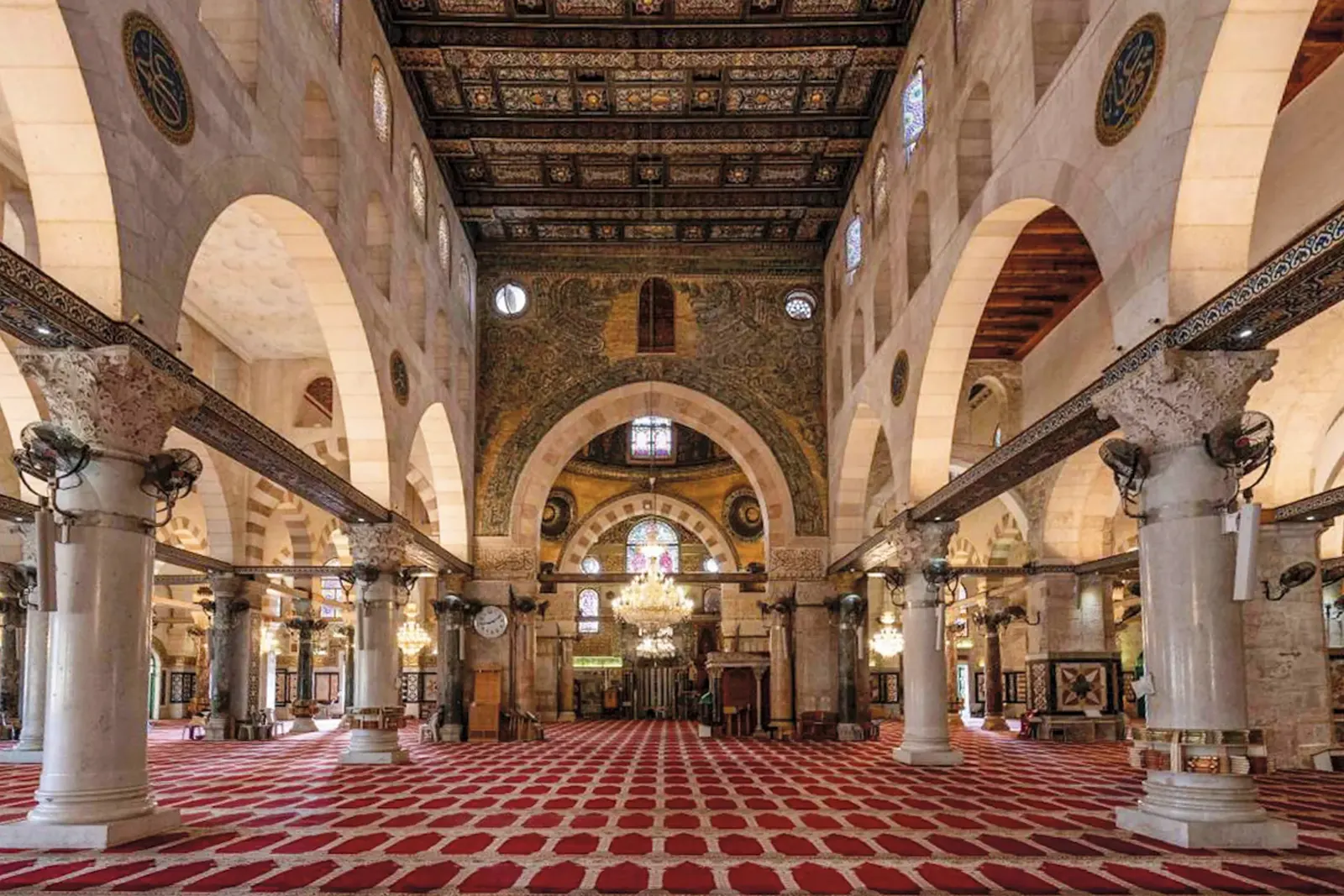
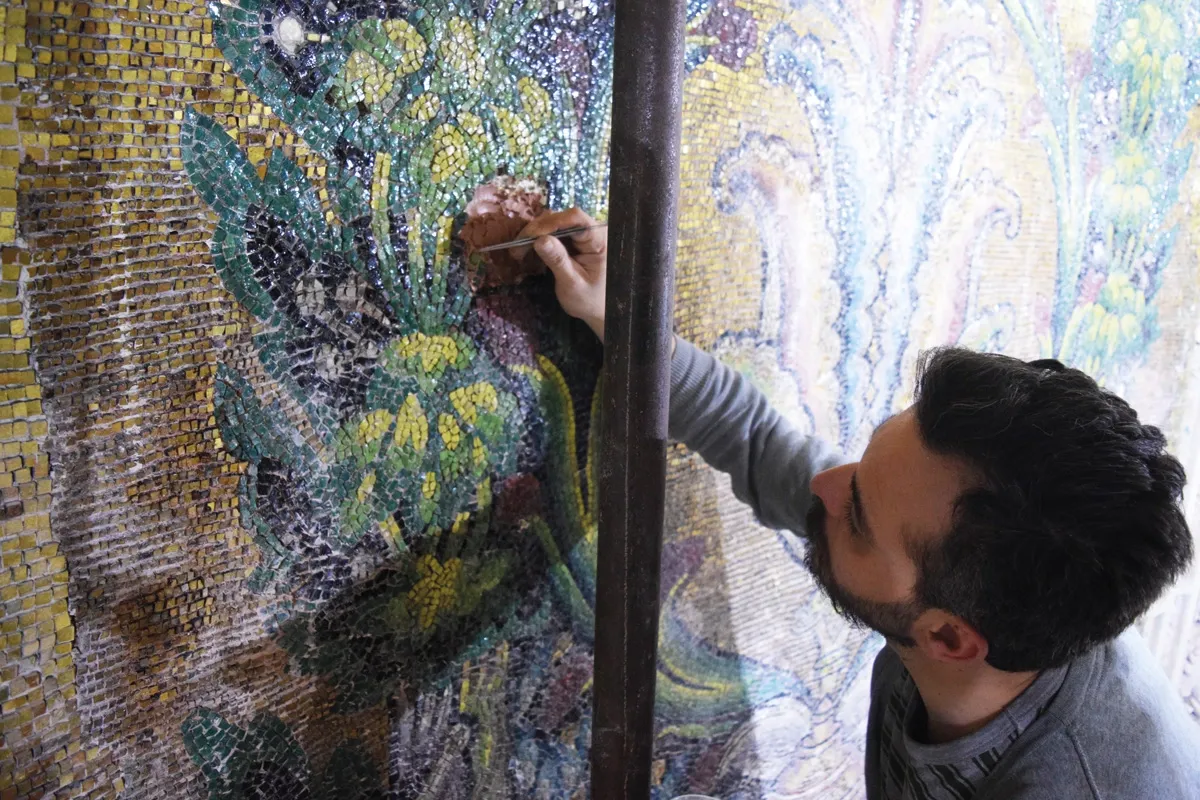
When the work is finished, the modules are transported flat to the site and applied on the wall, the floor, or the niche they were made for. The installation can be carried out by the studio, or by an installer of your choice working from our drawings and instructions. Either way, the studio remains responsible for the integrity of the work until the last tessera is in place.

Mosaic restoration on site at the Al-Aqsa Mosque, Jerusalem

From the
brief to the
wall

Delivery

Stage 07

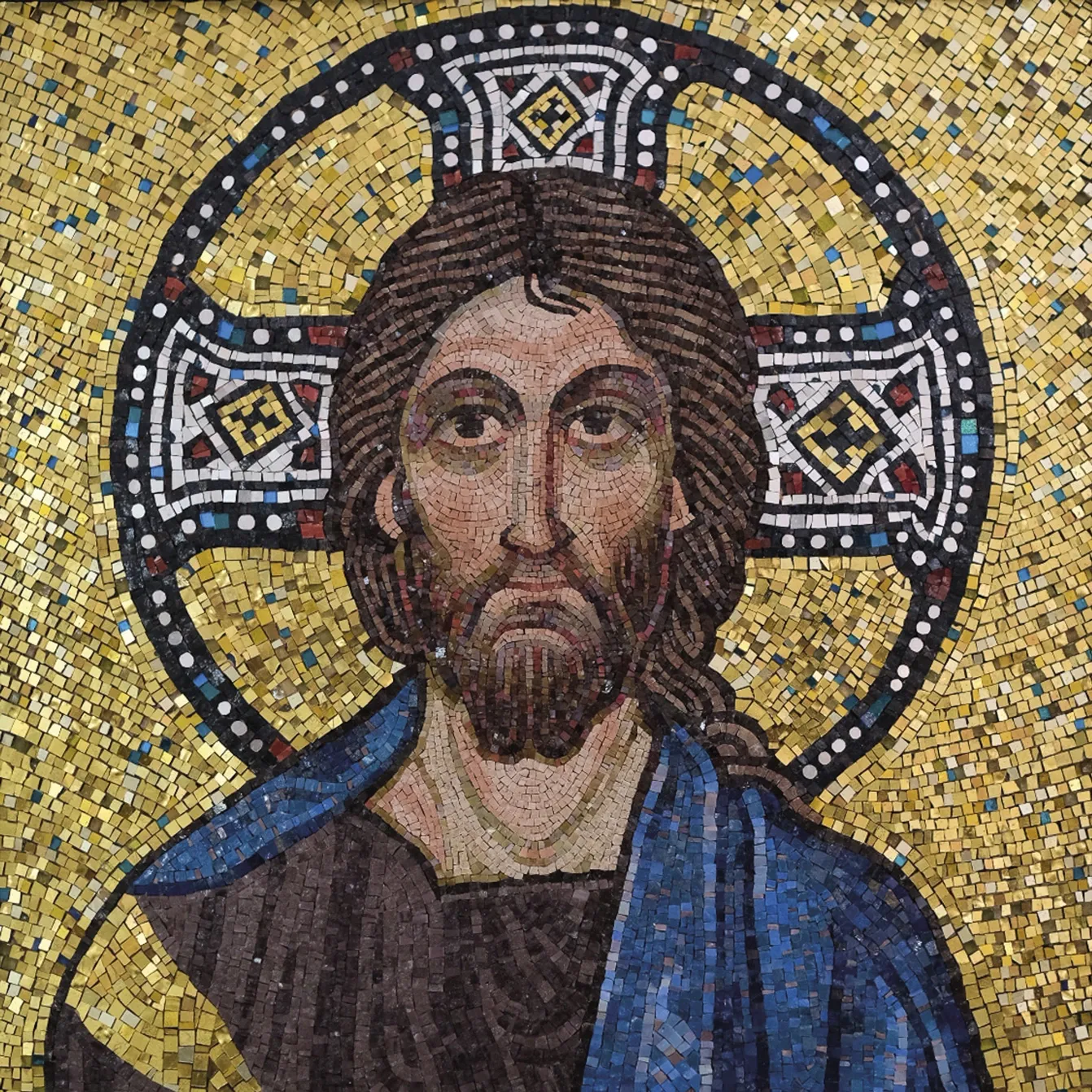
Every commission is delivered with a written attestation of hand realization, signed by the Master Mosaicists who made it. The attestation records the date, the technique, the materials, and the dimensions. It is not a marketing certificate. It is a document for your records, for your insurance, and for whoever will inherit the work after you.

Finished mosaic icon delivered with its certificate of handmade work

Contact us

Next

Each commission begins with a conversation. Tell us about the place, the project, and the intention. We will reply within five working days with a first reading of the brief and the next steps. A professional estimate takes longer. We study each project with care so that the price we send you is accurate and the best we can offer. Castello 6477/A, Venezia.

Contact us
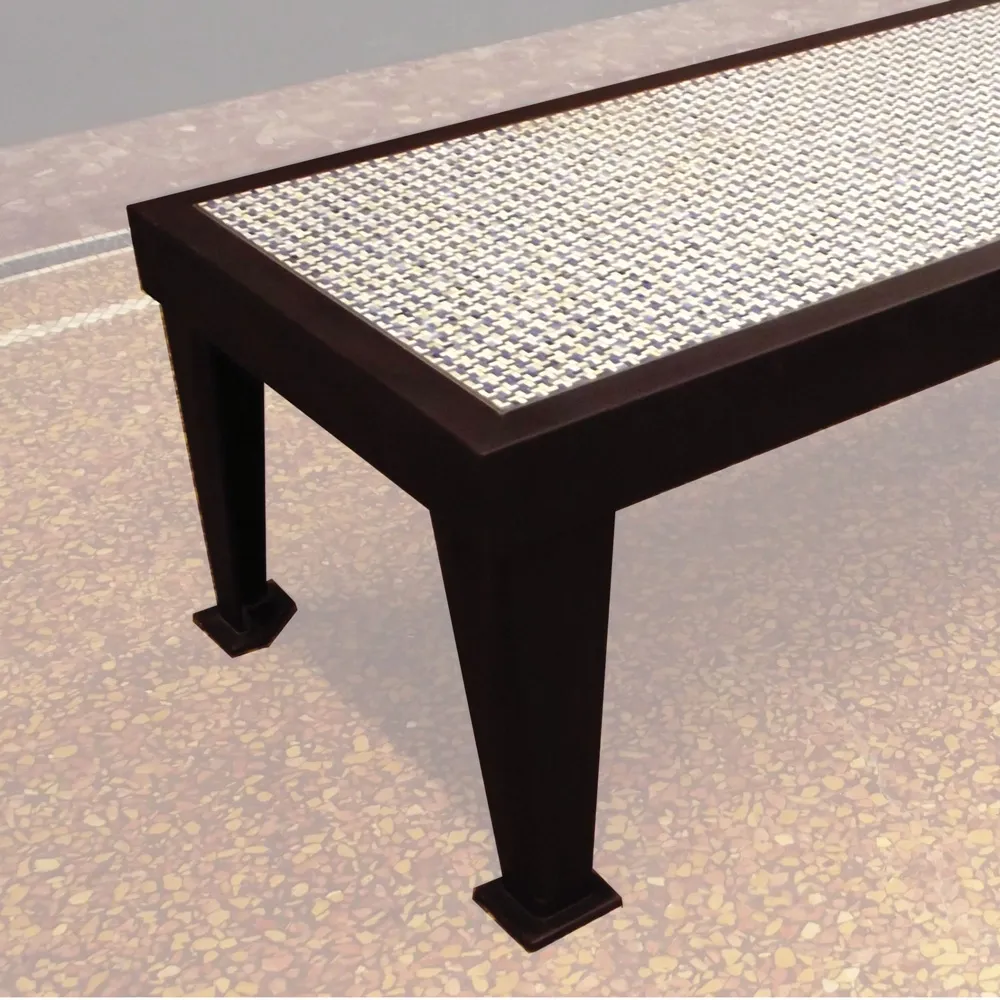
Mosaic bench in smalti, finished commission

Practical questions

How long does an estimate take?

We reply within five working days with a first reading of your brief. A professional estimate takes longer. We study each project with care so that the price we send you is accurate and the best we can offer. The estimate includes an estimate of the shipping cost.

What determines the price?

Materials are the smaller part of the figure. Most of it is time, because every tessera is cut and set by hand. Five variables shape the budget: the surface, the materials, the density of the tesserae, the method, and the site with its installation. They are explained on the Commission page.

Why can a small mosaic cost more than a large one?

A small work with fine detail asks for smaller tesserae, and more of them. A portrait in millimetric pieces and a surface in large tesserae can be the same square metre on paper and a different month in the workshop.

Can the estimate be adjusted?

Yes. The figure can move with the choices we make together, for example marble in place of smalti in the areas where it changes nothing to the eye, or a different density of tesserae. When the design changes, we send you a revised estimate.

What do you need to start?

A photograph of the wall, the floor or the niche, its approximate size, and any drawing or image that shows what you have in mind. You can attach them to the contact form.

Can I have a sample?

Yes. We can make a small sample of the mosaic for a modest fee. If you commission the work, the fee is deducted from the total.

What about colours?

The bozzetto, the coloured sketch at scale, fixes the palette before production starts. We follow it faithfully. If a blend or a transition could be better served by another tone, we show it to you during production, and the final decision is always yours.

How do you keep me informed?

We stay in contact from the first conversation to the delivery. We send you photographs of the work in progress, and one of us can be present when it is installed.

How does the mosaic reach the site?

Most commissions are built in modules at the studio in Venice, transported flat, and applied on site. The installation can be carried out by the studio or by an installer of your choice working from our drawings and instructions. For large or complex sites, such as vaults, curved walls or pools, the studio installs the work itself.

What do I receive with the work?

A written attestation of hand realization, signed by the Master Mosaicists who made it. It records the date, the technique, the materials and the dimensions.